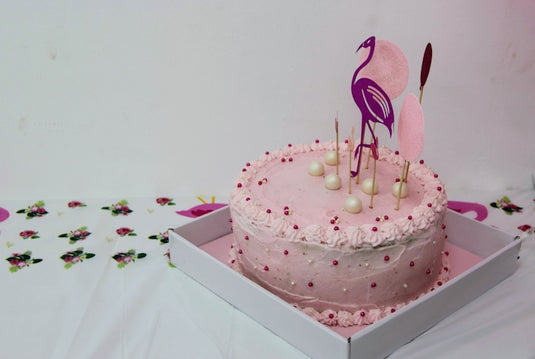
Celebratory gatherings have long been marked by the presence of cakes, forming an integral part of traditions around the world. From birthdays and anniversaries to weddings and special occasions, cakes symbolize joy, unity, and the sweet celebration of life.
Table of Contents
- Table of Contents
- A Journey Through Time: The Origins of Cake
- Cake: A Symbol of Celebration
- Indulge in the Luxurious Delight
- The Cultural Intertwining of Cake and Traditions
- The Sweet Conclusion
- FAQs
A Journey Through Time: The Origins of Cake
The tradition of cake as part of celebrations dates back to ancient times. The earliest forms of cakes were more akin to bread, often sweetened with honey and topped with nuts or dried fruits. Fast forward to medieval Europe, and cakes evolved into creations crafted with refined ingredients, symbolizing wealth and prosperity.
Cakes began to take on a new form during the 17th century, with the introduction of more sophisticated baking techniques and the luxury of sugar, which was considered a rare and precious commodity. This era set the foundation for the intricately decorated cakes we know today.
Cake: A Symbol of Celebration
In many cultures, cake signifies the essence of festivities. For instance, the inclusion of layers in a cake often embodies prosperity, with each tier symbolizing a milestone achieved. Cakes have become synonymous with birthdays, where candles are lit and wishes made, and weddings, where the cutting of the cake represents the first task a couple undertakes together. Such traditions highlight the role of cakes as both a culinary delight and a symbolic gesture.
Indulge in the Luxurious Delight
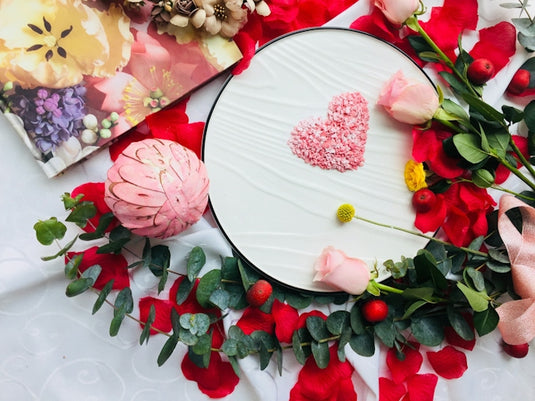
When it comes to modern-day classics, the White Chocolate Raspberry Cake from Luxury Cart embodies the perfect balance of tradition and indulgence. With layers that hint at both decadence and finesse, this cake makes a splendid centerpiece for any gathering, whether intimate or grand.
The Cultural Intertwining of Cake and Traditions
Today, cakes continue to uphold their status as celebratory icons. On one hand, they serve as a canvas for creative expression and personal touch; on the other, they preserve cultural heritage. Just as An Explainer on Symbolism in Traditional Birthday Flowers reveals the deep meanings behind floral arrangements, cakes similarly carry cultural significance.
Whether you are planning an anniversary or any memorable occasion, understanding the history and significance of cakes can add depth to your celebration planning. For those looking to create unforgettable moments, exploring Essential Tips for Selecting the Perfect Anniversary Present can provide additional inspiration for selecting the ideal complement to your celebratory cake.
The Sweet Conclusion
Cakes are not merely desserts; they are embodiments of tradition, culture, and cherished memories. As you plan your next celebration, consider the history and symbolism behind the cake you choose.
For more insights and luxurious offerings to elevate your festivities, visit Luxury Cart and explore a world where elegance meets tradition.
FAQs
What is the origin of cake as a celebratory food?
The origin of cake dates back to ancient civilizations where bread was sweetened with honey and often used in celebrations and festivals. The word "cake" itself comes from the Old Norse word "kaka," which referred to a baked flour confection.
How did cake evolve through different cultures?
Cake has evolved significantly through various cultures, incorporating local ingredients and techniques. In ancient Egypt, cakes were often made with honey and nuts, while in medieval Europe, fruit and spices became common additions, leading to the rich variety we enjoy today.
What role did cake play in early wedding traditions?
In early wedding traditions, cakes symbolized fertility and prosperity. Ancient Romans would break bread over the bride’s head, and by the Middle Ages, multi-tiered cakes began to represent the union of families. The wedding cake as we know it today gained popularity in the 19th century.
Why is cake significant in modern celebrations?
Today, cake plays a central role in many celebrations, from birthdays to weddings. It serves as a focal point that brings people together, symbolizing joy and shared experiences. The tradition of blowing out candles also adds a personal wish-making element to the occasion.
How have flavors and styles of cakes changed over time?
Flavors and styles of cakes have transformed significantly, reflecting trends in culinary arts and cultural influences. From simple fruit cakes in the past to elaborate fondant designs and diverse flavors like red velvet and matcha, the possibilities are now endless.
What are some traditional cakes associated with different cultures?
Various cultures have their own traditional cakes, such as the Italian Panettone for Christmas, the Russian Medovik (honey cake), and the Mexican Tres Leches cake. Each cake carries unique ingredients and meanings tied to local customs and celebrations.
How are cakes used in specific cultural celebrations?
Cakes often hold cultural significance, such as the mooncakes during the Mid-Autumn Festival in China, symbolizing reunion, or the King Cake eaten during Mardi Gras, representing community and festivity. These cakes connect people to their cultural heritage.
What are some creative cake trends in recent years?
In recent years, cake trends have included naked cakes, which showcase natural ingredients without frosting, and drip cakes, which feature ganache or caramel drips for visual appeal. Plant-based and gluten-free cakes are also gaining popularity due to dietary preferences.
What role do cakes play in personal milestones beyond birthdays and weddings?
Cakes mark a variety of personal milestones, including anniversaries, graduations, and baby showers. Each cake serves as a symbol of celebration and acknowledgment, helping to create memorable moments in various life stages.