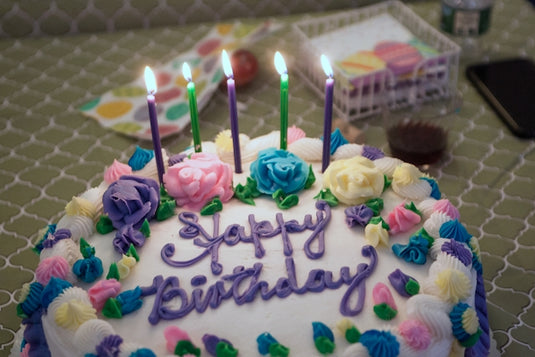
Birthday cakes are more than just delightful treats; they're symbolic gestures steeped in history and tradition. As we celebrate birthdays today, complete with icing and candles, it's fascinating to unravel how this tradition has evolved over centuries to the celebratory sweet indulgences we enjoy now.
Table of Contents
- Table of Contents
- The Origin and Evolution
- Personal Touch
- Tradition vs. Modern Trends
- Conclusion
- FAQs
The Origin and Evolution
Ancient Beginnings
The tradition of birthday cakes can be traced back to Ancient Greece. The Greeks would bake round cakes to honor Artemis, the moon goddess. These cakes, made with honey, symbolized the moon, and candles added on top further represented the moonlight. As this tradition spread, so too did the practice of making offerings with these sweet cakes.
Medieval Celebrations
Fast forward to the medieval period in Germany where the concept of kinderfeste, a celebration of a child's birthday with cake, began. The Germans would light a candle on the cake for every year of the child's age, adding an extra one as a symbol of hope for another prosperous year.
Modern-Day Delights
Today, birthday cakes come in countless flavors and styles, ranging from chocolate and vanilla to elaborate multi-tiered designs. The use of brightly colored candles remains a staple to this day, a timeless homage to the traditions begun by our ancestors. To enhance your celebration, Candles Jumbo Assorted from LuxuryCart are perfect for making your birthday wish!
Personal Touch
Incorporating personal elements into a birthday cake can make the occasion even more special. Whether through unique flavors, decorations, or personalized messages on the cake, these touches can create unforgettable memories. For more ideas on maximizing the emotional impact of your gifts and celebrations, refer to Enhancing Your Gift with Personalization for Unforgettable Memories.
Tradition vs. Modern Trends
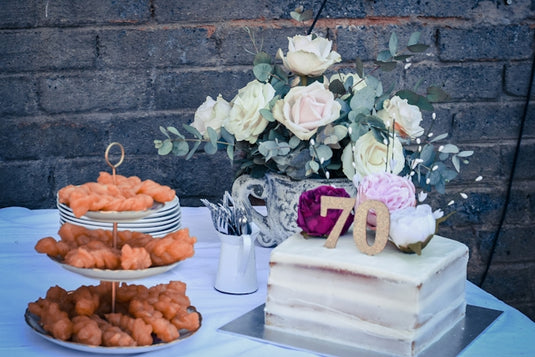
Cakes holding center stage at birthdays might seem like an unshakeable tradition. Yet, some cultures or personal preferences lean towards alternative celebrations, such as using flowers. For insights into how these traditions influence our choices, read How Tradition Influences Our Choice between Cakes and Flowers.
Conclusion
The birthday cake we know and love today is a testament to centuries of evolving customs and innovation in culinary arts. As we continue to adapt and personalize our celebrations, the essence of gathering around a delicious cake and making a wish remains a cherished tradition shared by many around the world. For more exquisite options to complement your special occasions, explore LuxuryCart for a world of premium products.
FAQs
What is the origin of birthday cakes?Birthday cakes have their roots in ancient civilizations, where round cakes symbolized the moon and were offered to various deities during celebrations. The tradition evolved over the centuries, with the ancient Greeks and Romans incorporating sweetened bread into their birthday festivities.
How did the custom of putting candles on cakes start?The tradition of placing candles on birthday cakes is believed to have originated with the ancient Greeks, who placed candles on cakes to honor the moon goddess Artemis. This practice evolved to include blowing out candles while making a wish, symbolizing the hope for good fortune.
What were birthday cakes like in the Middle Ages?During the Middle Ages, birthday cakes were typically made from bread or a basic form of cake, sweetened with honey. These cakes were not as elaborate as modern cakes, and celebrations were often simple, reflecting the more modest lifestyles of the time.
When did birthday cakes become more elaborate?The 19th century saw the development of more elaborate birthday cakes, thanks to advances in baking techniques and ingredients. The introduction of refined sugar, eggs, and mixing methods allowed for fluffier, richer cakes, which often featured layered designs and decorative icing.
What are common flavor variations of birthday cakes today?Modern birthday cakes come in an endless variety of flavors, including classic options like vanilla and chocolate, as well as contemporary flavors such as red velvet, carrot, and lemon. Bakers often experiment with unique combinations, catering to diverse tastes and preferences.
How do different cultures celebrate birthdays with cakes?Different cultures have their distinctive ways of celebrating birthdays with cakes. For instance, in Mexico, a piñata cake is popular, while in Japan, fruit and cream cakes are commonly enjoyed. Each culture adds unique elements that reflect their traditions and culinary practices.
Are there any notable trends in birthday cakes currently?Current trends in birthday cakes include unique designs such as drip cakes, naked cakes, and themed cakes inspired by popular media. Additionally, many bakers are focusing on dietary preferences, offering vegan, gluten-free, and low-sugar options to accommodate various needs.
What role does social media play in birthday cake trends?Social media has significantly impacted birthday cake trends, allowing bakers to showcase their creations visually. Platforms like Instagram and Pinterest inspire new designs and flavor combinations, encouraging creativity and innovation in cake baking and decorating.